
Quick checklist
- Match adapter output to the device specification.
- Separate maximum wattage from actual charging power.
- Check each port and cable before combining devices.
Wattage is a maximum, not a command
A compatible phone normally negotiates the power it can accept, so a higher-rated adapter does not force its full maximum into every device. Compatibility, protocol, cable and temperature management all affect real charging behavior.
20W and phone-focused adapters
Compact adapters around this range are commonly considered for phones, but exact fast-charging support still depends on the model. Confirm the output modes rather than selecting only by the headline wattage.
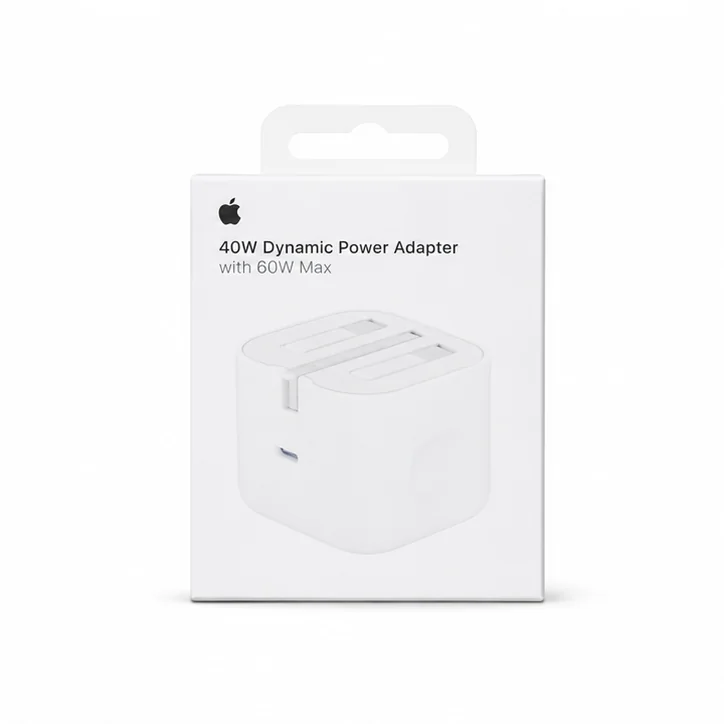
40W and 65W options
Higher maximum output may support larger devices or multiple use cases. Some 65W chargers can power compatible laptops, but the port, protocol and cable must all support the required level.
Shared power on multi-port chargers
When two devices are connected, available power may be divided using a fixed table. Request that table so you know which port to use and how the charger behaves with simultaneous connections.
Frequently asked questions
Is a higher wattage charger always faster?
No. The connected device, protocol and cable determine actual charging power.
Can one charger serve a phone and laptop?
Possibly, but only when the exact charger, ports, cable and both devices are compatible.
Where is the output information shown?
It is usually printed on the adapter or packaging; ask for a clear photo of the exact unit.
Send the exact device model and intended use. Price, availability, delivery and product-specific terms are confirmed before an order.