
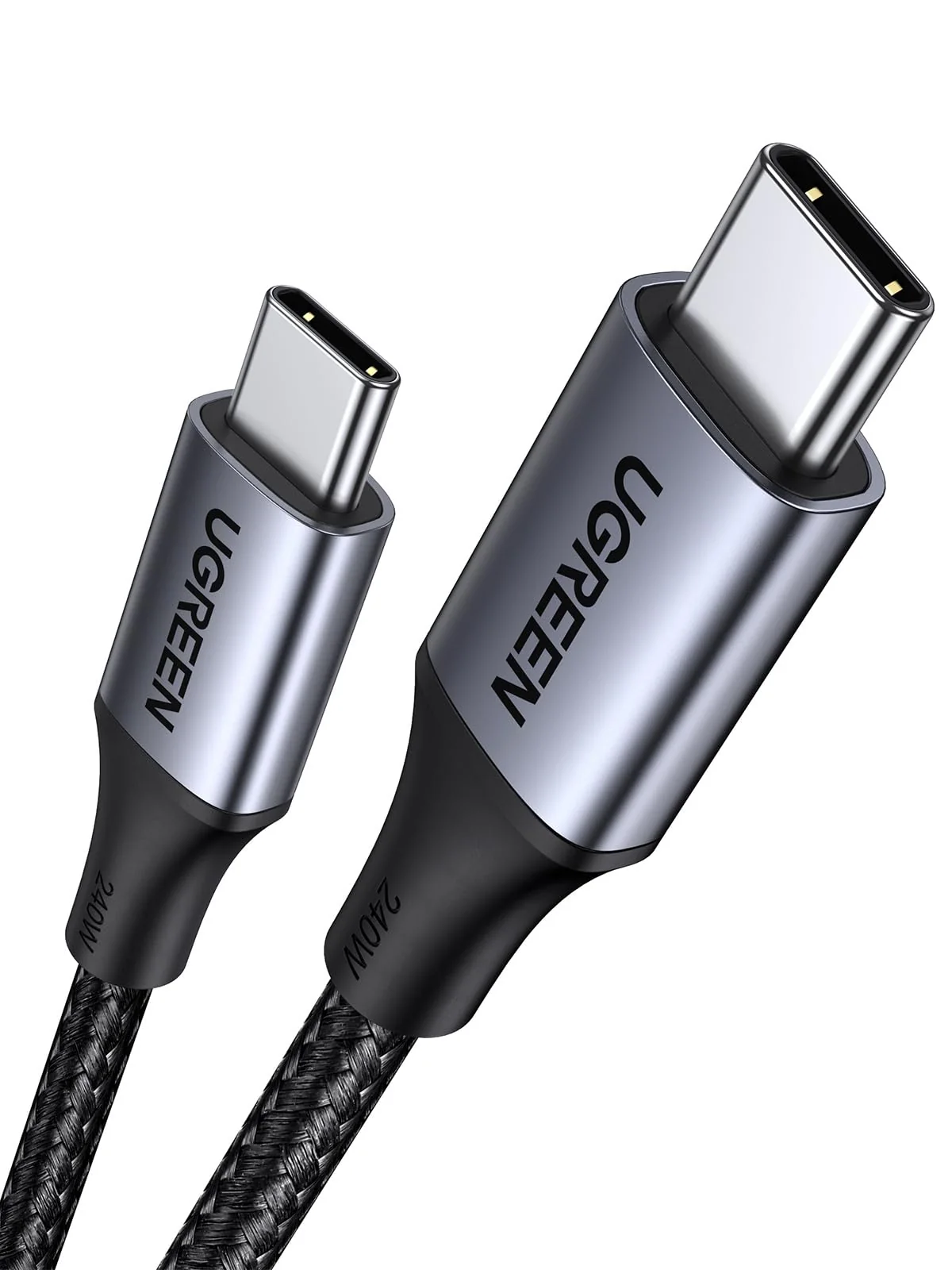
Quick checklist
- Disconnect by holding the connector, not pulling the wire.
- Avoid sharp bends near both cable ends.
- Keep connectors dry, clean and protected in a bag.
Most cable wear begins near the connector
Repeated pulling, tight bending and pressure at the connector can damage a cable over time. Leave a gentle curve during use, choose a suitable length and avoid trapping the cable under furniture or inside a closing drawer.
Better daily handling
Hold the plug body when disconnecting and avoid using the cable as a handle for the phone or charger. Keep the phone positioned so normal movement does not place tension on the connector.
Storage and travel
Coil the cable loosely without tight knots. Use a small strap and keep metal objects away from the contacts. Do not place a heavy power bank directly on a tightly folded cable.
Cleaning and inspection
Disconnect both ends before cleaning. Use only methods recommended by the device or cable manufacturer, and never insert wet or conductive objects into a charging port.
Frequently asked questions
Is a braided cable always more durable?
Braiding can improve abrasion resistance, but overall durability depends on the complete construction and use.
Can I repair exposed cable wire with ordinary tape?
A visibly damaged charging cable should be replaced rather than relied upon for continued use.
Why does the cable fail near the plug?
Frequent bending and pulling concentrate stress where the flexible wire meets the rigid connector.
Send the exact device model and intended use. Price, availability, delivery and product-specific terms are confirmed before an order.